
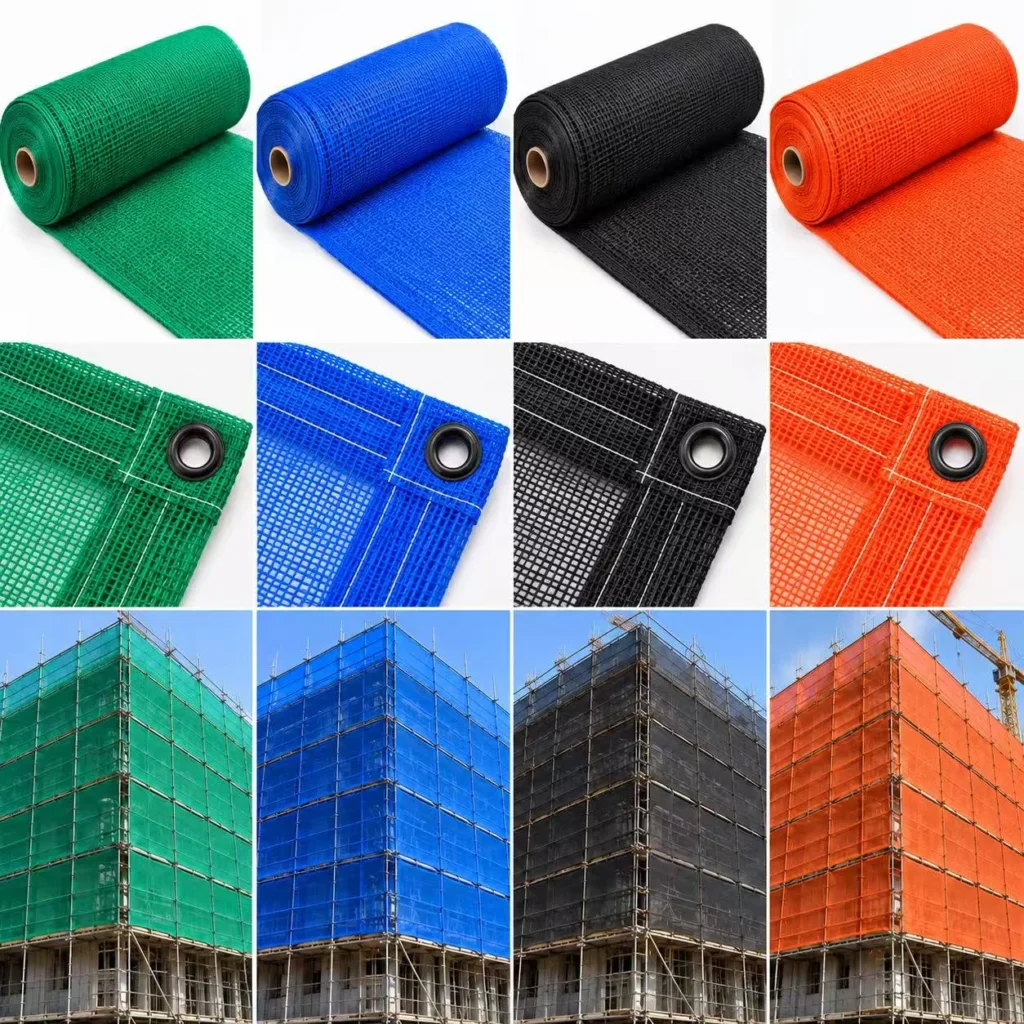
Strong sunlight can make outdoor spaces uncomfortable and create challenging conditions for sensitive plants. Shade nets offer a simple way to manage sunlight exposure in gardens, greenhouses, nurseries and outdoor seating areas.
Shade Nets: A Practical Solution for Plants and Outdoor Spaces
What Is a Shade Net?
A shade net is a mesh covering designed to reduce the sunlight reaching the area beneath it. Commonly made from polyethylene, shade nets are available in different colors, sizes and shading levels.
Unlike a solid covering, the mesh allows some air and water to pass through. The amount depends on the net’s construction and density.
Common Shade Net Applications
Greenhouses and Nurseries
Shade nets help growers adjust light exposure for seedlings, flowers and other plants. Choosing the correct shading level is important because different plants have different light requirements.
Vegetable Gardens
Shade nets can be installed over garden beds to soften direct sunlight. They provide a flexible option for seasonal shading, particularly during periods of intense sun.
Patios and Courtyards
A shade net installed on a suitable support structure can create a more comfortable shaded area for relaxing, dining or working outdoors.
Agricultural Projects
Shade nets can cover larger growing areas where managing sunlight is part of crop production. The material, dimensions and installation method should suit the site conditions.
How to Choose the Right Shade Net
Match the Shading Level to the Application
The shading percentage describes the amount of light the net is designed to block under specified testing conditions. A higher percentage means greater light reduction, but more shade is not always better for plants.
Consider the crop, season and local sunlight conditions before selecting a shading level.
Check the Material Specifications
For outdoor use, ask whether the net is UV stabilized. Also check the fabric weight, mesh construction and supplier’s recommended service conditions. Appearance alone does not establish durability.
Confirm Size and Attachment Details
Measure the area carefully and plan the attachment points before ordering. Depending on the installation, reinforced edges and eyelets may help with secure fixing.
Consider Wind Exposure
Shade nets place loads on their supports, especially in windy conditions. Use suitable structures and fixings, follow installation instructions and avoid overtightening the fabric.
Simple Maintenance Tips
Inspect the net regularly for tears, loose attachments and damage around the edges. Remove accumulated debris and clean it according to the supplier’s instructions.
If the net is used seasonally, allow it to dry before storing it in a clean, sheltered place.
Discuss Your Shade Net Requirements
The right shade net starts with a clear understanding of your project. When requesting a quotation, provide the intended application, required dimensions, shading level, quantity and delivery destination.
Contact us to discuss shade net options for your garden, greenhouse or outdoor project.